How much does a new roof cost in Alaska?
The average cost to replace a 2,000 sq ft asphalt shingle roof in Alaska in 2025 is $18,401 – $28,723 installed — roughly $11.22/sq ft. Short installation season, remote logistics, and snow load engineering push costs well above the national average.
- Climate
- extreme cold, heavy snow load
- Common material
- standing seam metal roofing
- vs. National avg
- 32% above
- Cities covered
- 8
Roof Replacement Cost Estimator
AlaskaThe U.S. standard. Best cost-to-value ratio for most homes.
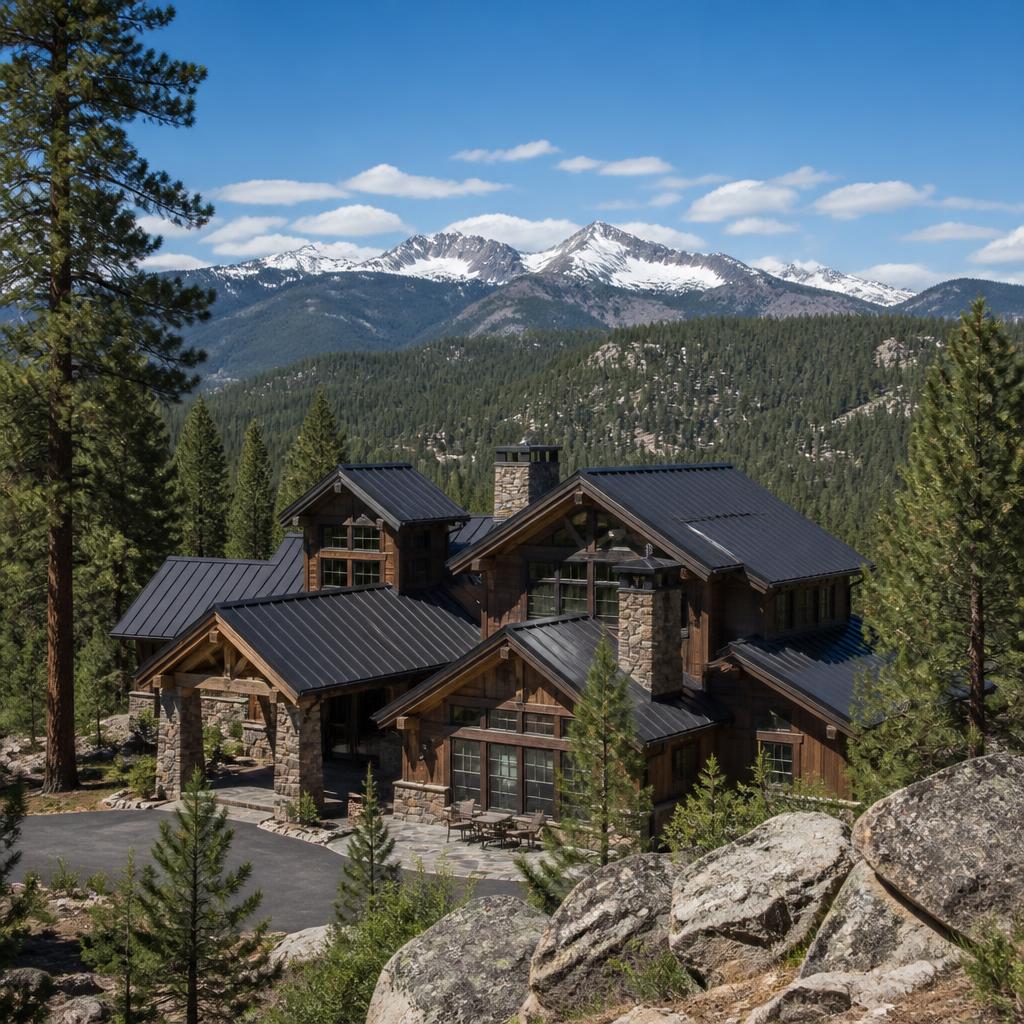
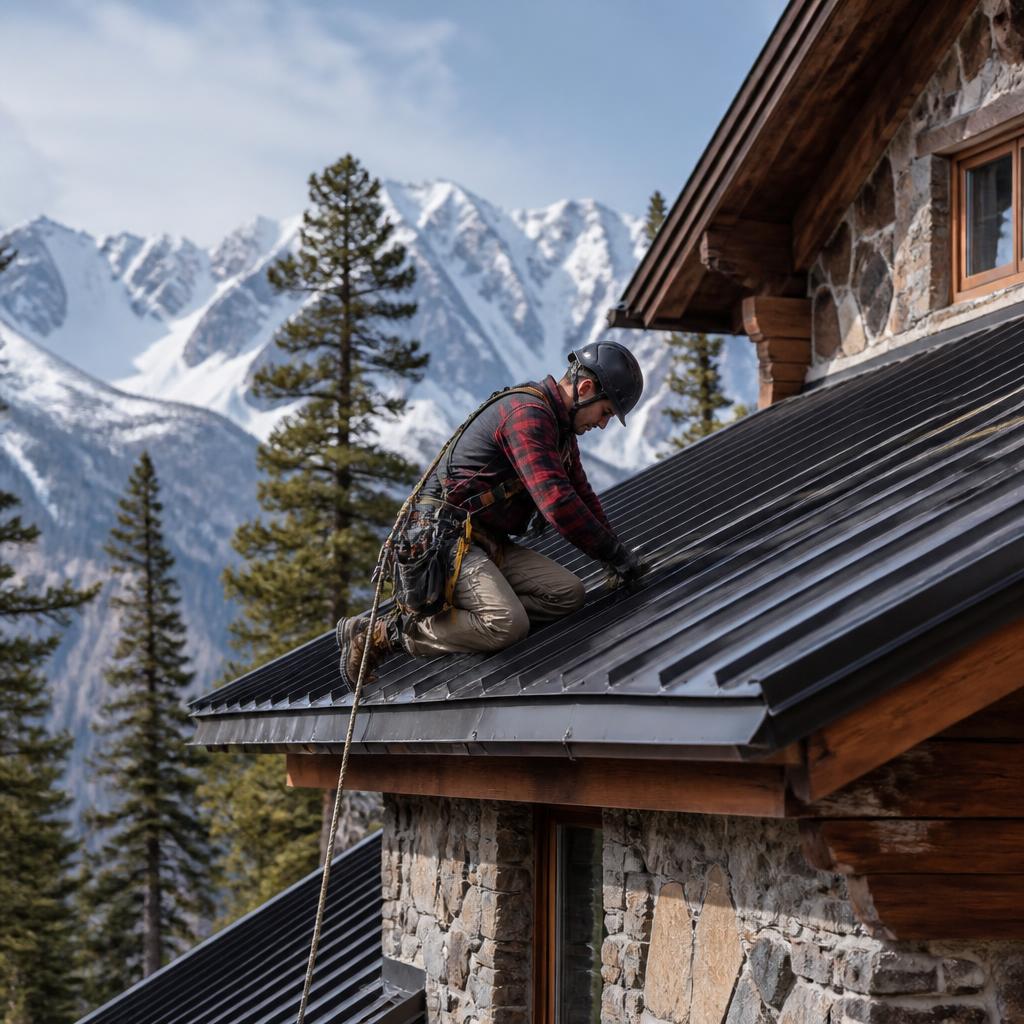
Roof replacement cost by Alaska city
Click any city for a detailed local cost breakdown.
| City | Avg / sq ft | Typical 2,000 sq ft roof | vs. State | |
|---|---|---|---|---|
| Anchorage | $11.44 | $18,769 – $29,298 | +2% | View → |
| Fairbanks | $11.89 | $19,505 – $30,447 | +6% | View → |
| Juneau | $12.34 | $20,241 – $31,596 | +10% | View → |
| Wasilla | $11.00 | $18,033 – $28,149 | -2% | View → |
| Sitka | $12.57 | $20,609 – $32,170 | +12% | View → |
| Ketchikan | $12.79 | $20,977 – $32,744 | +14% | View → |
| Kenai | $11.22 | $18,401 – $28,723 | 0% | View → |
| Kodiak | $12.90 | $21,161 – $33,032 | +15% | View → |
Alaska cost by roofing material
Estimates for a 2,000 sq ft roof using Alaska's regional labor rates.
Cheapest, thinnest asphalt option. Being phased out for architectural.
The U.S. standard. Best cost-to-value ratio for most homes.
Hail-rated. Often earns 15–35% insurance discount in hail states.
Thick, slate/shake look. Premium curb appeal.
Long life, energy-efficient, sheds snow. Higher upfront cost.
Common in AZ, CA, FL. Requires structural capacity.
The longest-lasting roof material. Very heavy, specialty crews.
Restricted in WUI wildfire zones unless Class A treated.
What drives roof replacement cost in Alaska
Alaska's climate (extreme cold, heavy snow load) is one of the strongest predictors of both cost and material choice. standing seam metal roofing dominates the local market, and installed prices run about 32% relative to the U.S. national baseline of $8.50/sq ft.
Local factors that push Alaska homeowners above or below the state average include: home size and pitch, tear-off vs. overlay, decking replacement, chimney and skylight flashing, gutters, and permit fees. Homes in higher cost-of-living cities such as Kodiak and Ketchikan typically come in above the Alaska average, while smaller markets like Wasilla and Kenai often come in below.