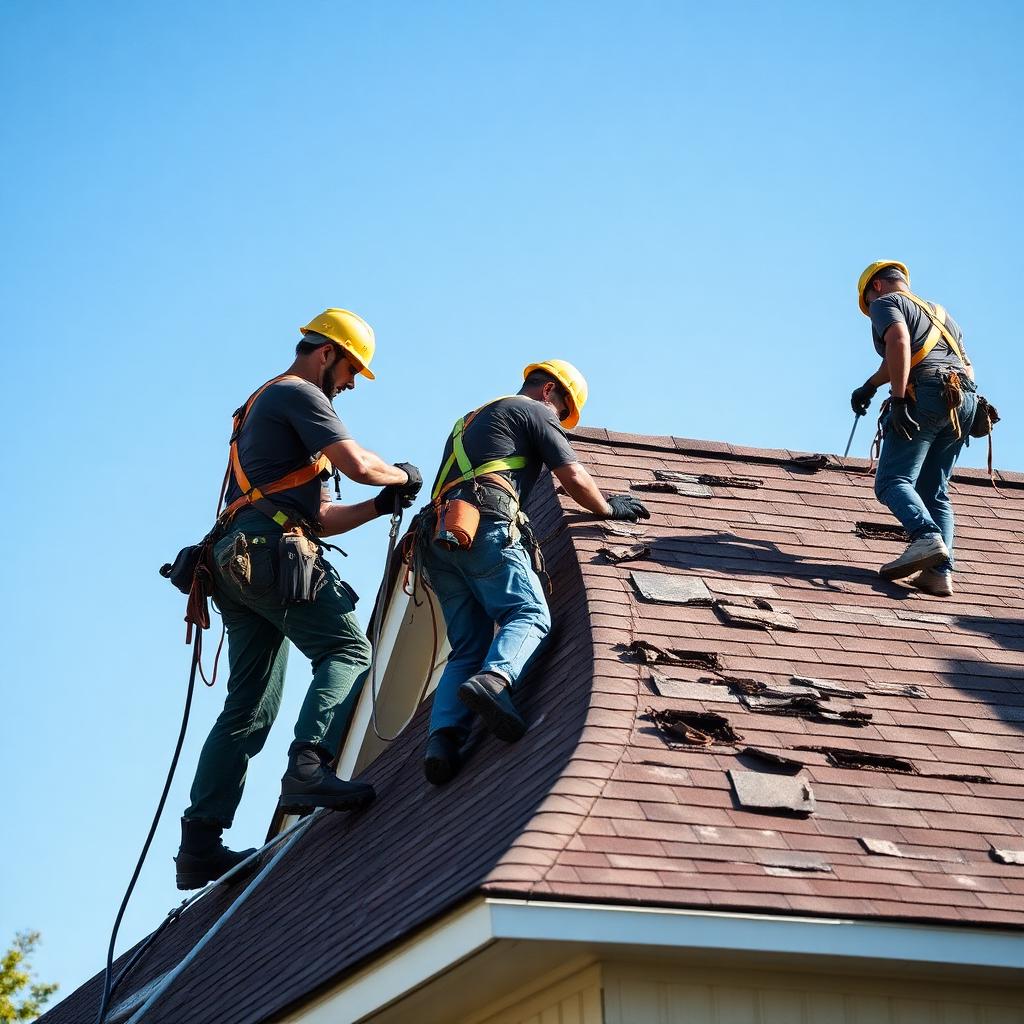
Tear-off & prep
Old shingles, felt, and damaged decking are removed and inspected before anything new goes down.
The most complete national database of roof replacement pricing. Pick your state to see real per-square-foot costs, material comparisons, and average totals for your city — free.
Each state page includes local pricing, common materials, code notes, weather considerations, and city-level breakdowns.
Example: a full architectural asphalt shingle replacement on a 2,000 sq ft roof.
We aggregate contractor bids, permit data, and material index pricing across all 50 states, then adjust for local labor markets, building codes, and climate exposure.
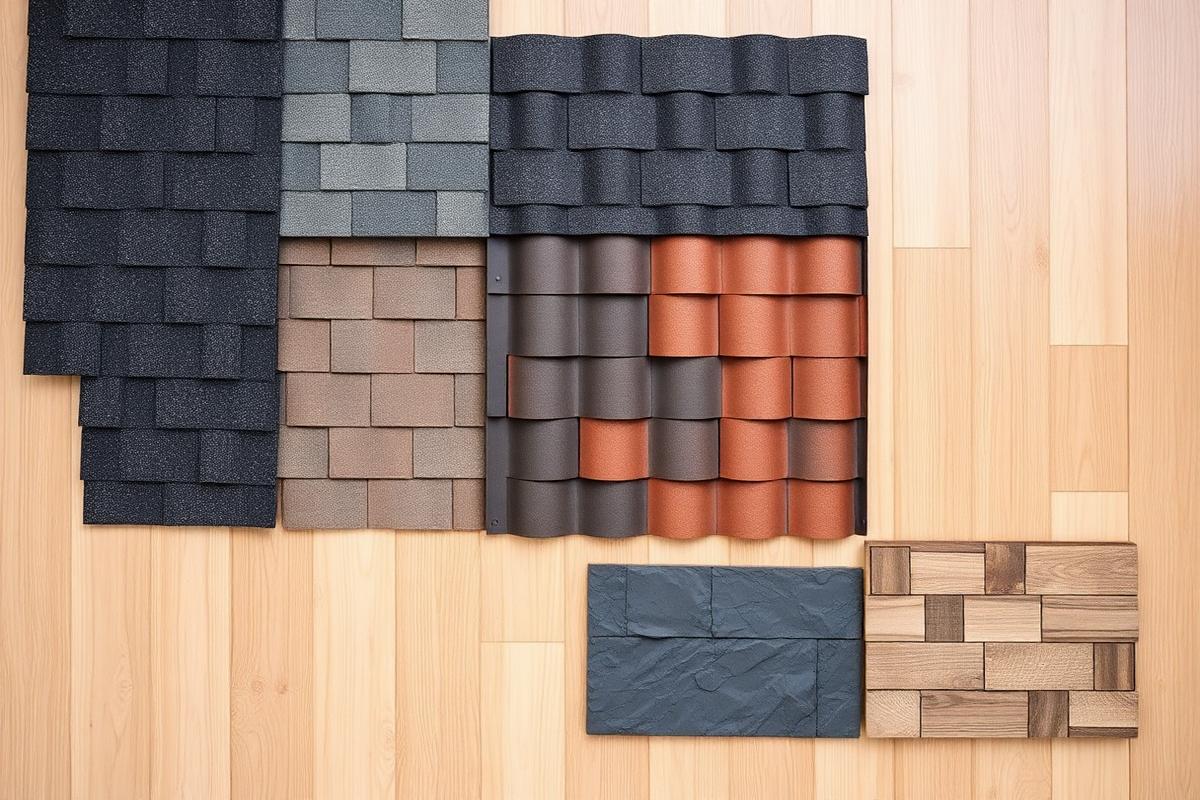
Every estimate we publish is grounded in the actual work of licensed crews — tear-off, inspection, and installation on real homes.
Old shingles, felt, and damaged decking are removed and inspected before anything new goes down.
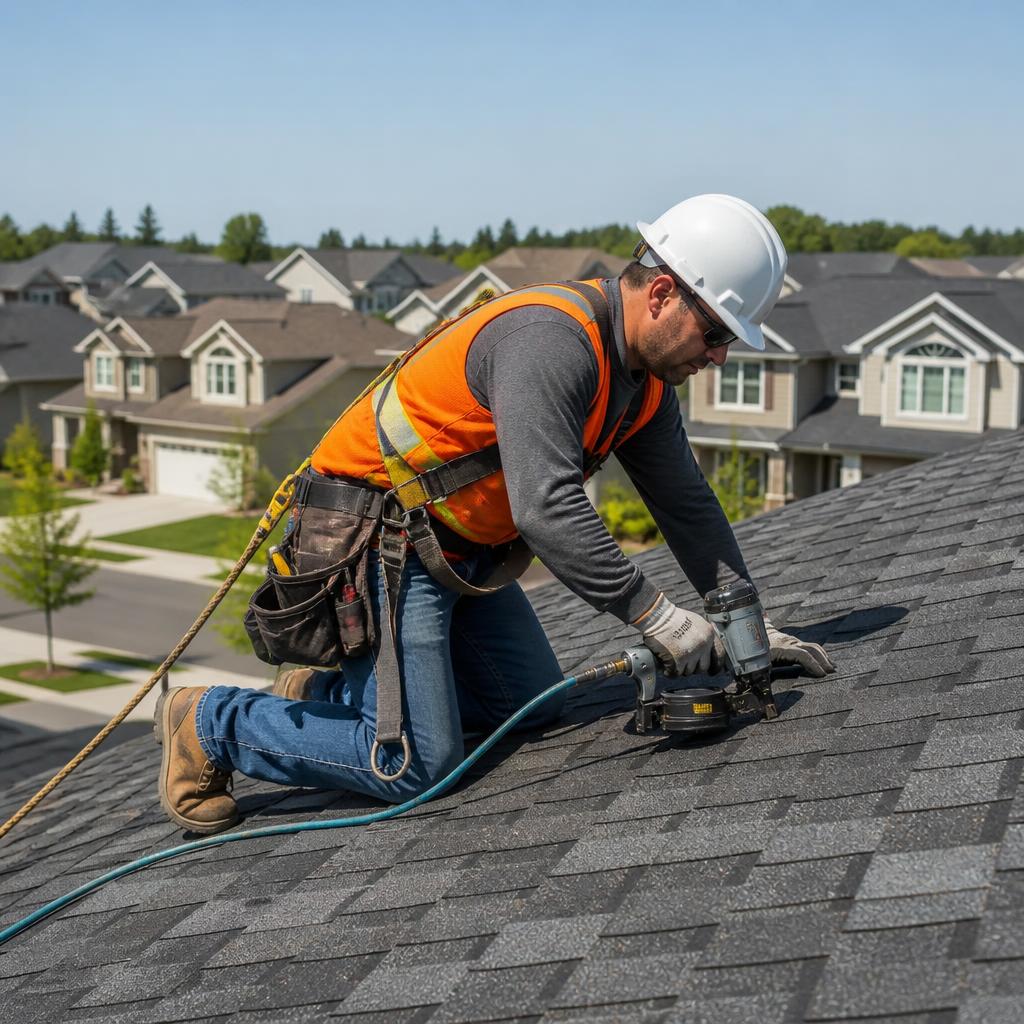
Underlayment, starter strip, and architectural shingles installed to manufacturer and code spec.

Final walk-through, punch list, and paperwork so your workmanship and material warranties are locked in.
Nationally, expect around $8.50 per square foot installed for architectural asphalt shingles — roughly $12,000–$22,000 for a 2,000 sq ft roof. Costs are higher in the Northeast and West Coast and lower in the South and Midwest.
A typical asphalt shingle tear-off and replacement takes 1–3 days. Metal, tile, and slate can take a week or more depending on complexity.
Homeowners insurance typically covers roof replacement when damage is caused by a covered peril (hail, wind, fallen tree) — not for wear and age. Document damage, file promptly, and consider an independent inspection.
Tear-off is strongly recommended. Overlay saves 10–15% but hides deck damage, shortens the new roof's life, and voids many manufacturer warranties.
Late spring through early fall in most climates. In hail-prone states, book pre-season (Feb–April) to avoid post-storm backlogs.