12 factors that change your roof replacement cost
Two identical-looking houses can get very different bids. Here's why, and what you can control.
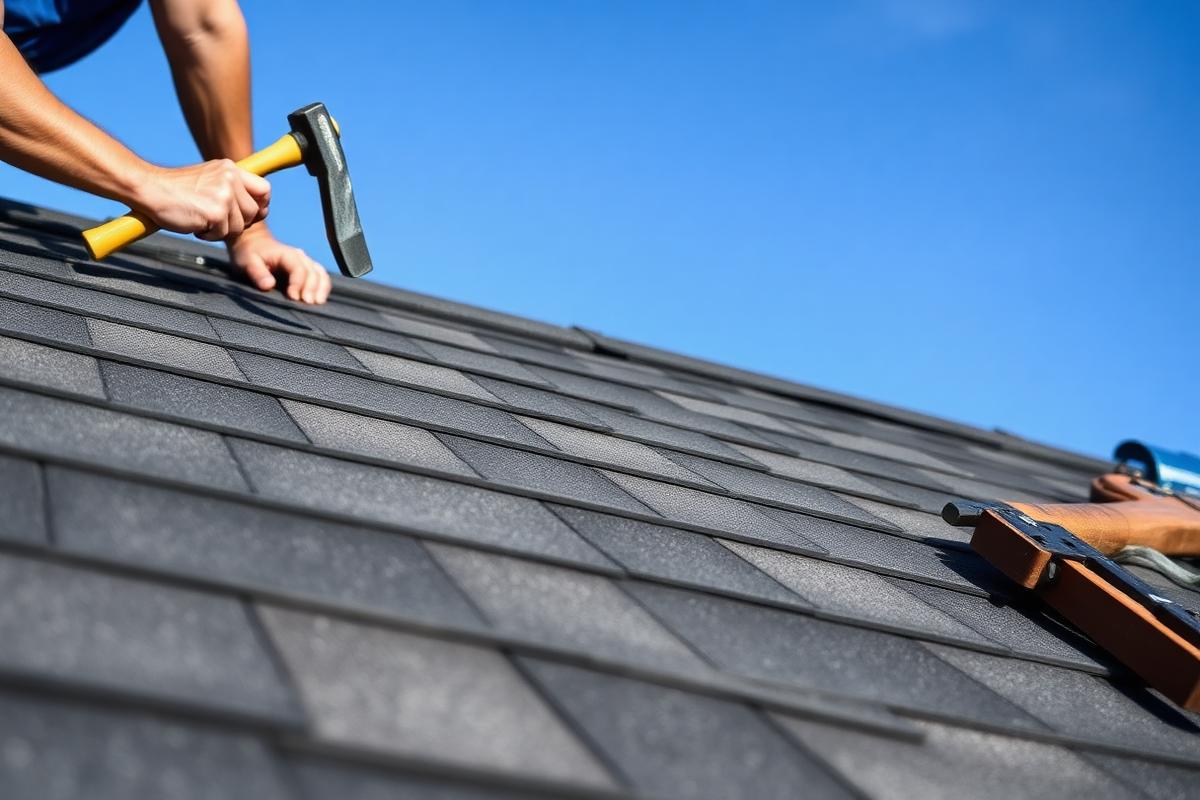
Priced in 'squares' (100 sq ft). Bigger roofs get slight per-sq-ft discounts due to fixed setup costs.
Anything over a 6/12 pitch requires safety harnesses and adds 10–25% labor.
Asphalt shingles are the baseline. Metal is ~2× and tile/slate 2.5–5× per sq ft.
Overlaying saves 10–15% but hides decking damage and shortens warranty.
Rotted OSB or plank replacement adds ~$70–$120 per sheet installed.
Synthetic underlayment and ice-and-water shield add $0.30–$0.90/sq ft.
New chimney flashing, pipe boots, and ridge vents typically add $500–$2,000.
More cut lines, hips, valleys, and skylights all add labor.
2 and 3-story homes add 8–16% for equipment, staging, and safety.
Coastal metros and the West/Northeast are the most expensive; the South and Midwest are cheapest.
$150–$500 typical. Hurricane/hail zones require higher-rated assemblies.
Post-storm surges push pricing up 10–25%; book in shoulder season.